



Highlight
Greater Bay Area’s Low-altitude Economy “Takes Off”
Taking “air taxis” to travel across the city, using drones for takeaway delivery to remote areas... the low-altitude economy is “taking off” in the Greater Bay Area, “flying” from laboratories to the city skyline and gradually changing people’s daily habits.
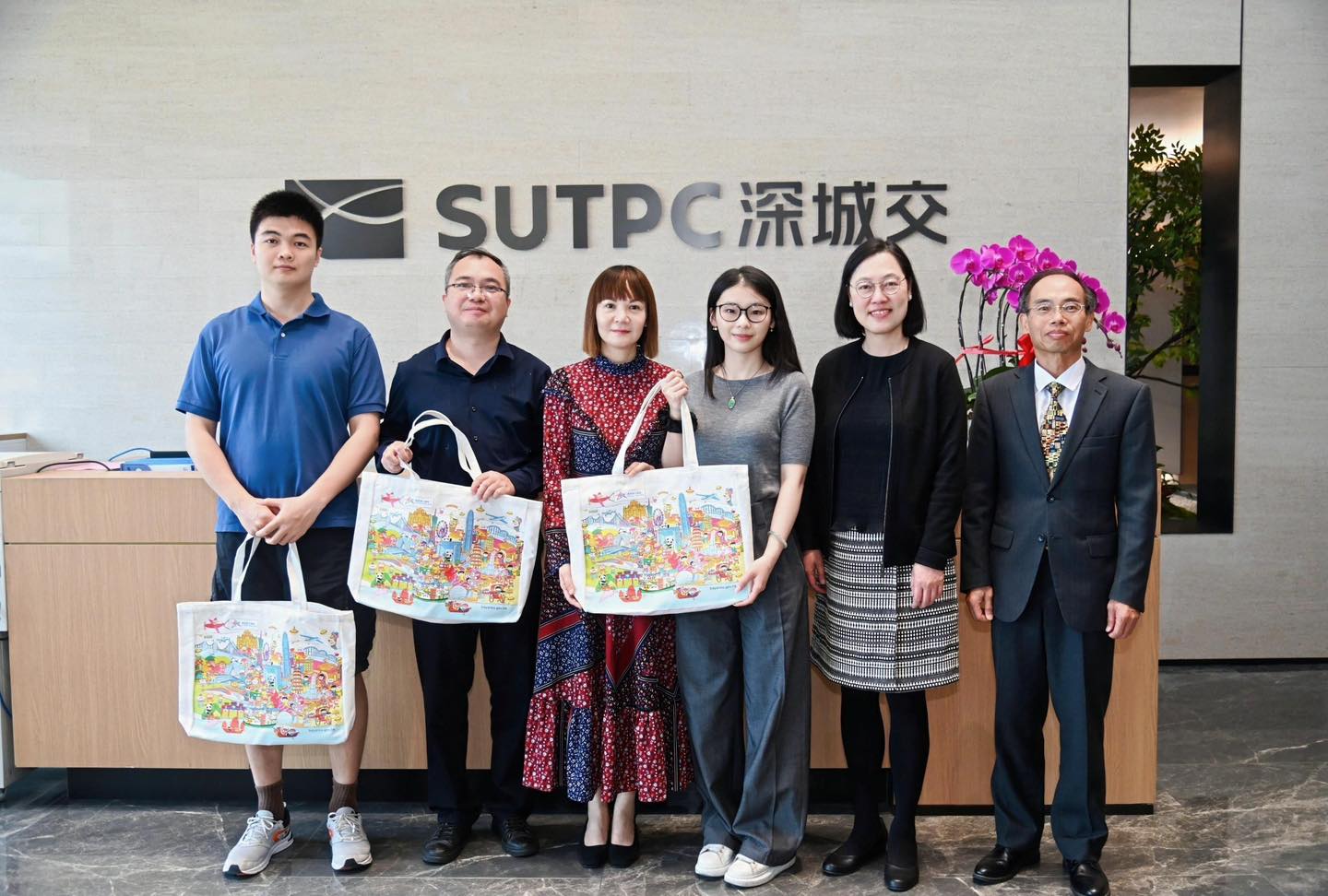
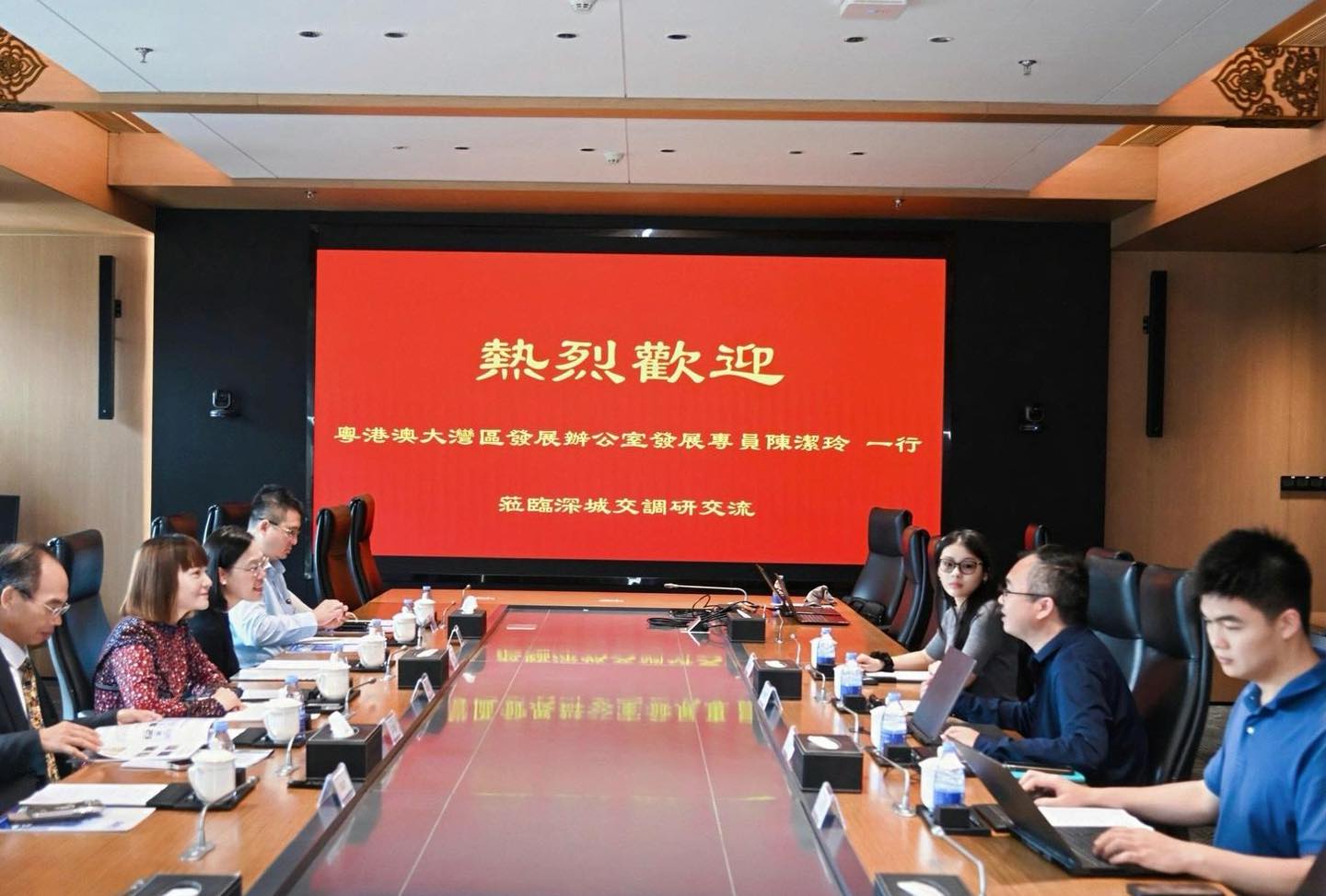
The HKSAR Government announced the first batch of low-altitude economy Regulatory Sandbox pilot projects in March this year. Among the 38 shortlisted projects is the Shenzhen Urban Transport Planning Center (SUTPC). The Commissioner, Ms Maisie Chan, visited the SUTPC as early as October last year to learn about the operation of the drone system in person and receive management briefing on key aspects of low-altitude economy, including policy planning, standards research and infrastructural design. The Commissioner also encouraged the SUTPC to submit applications for HKSAR Government’s low-altitude economy Regulatory Sandbox pilot projects. In late March this year, the Commissioner visited the SUTPC again to congratulate them on their achievement in participating in Hong Kong’s low-altitude economy development and to learn more about the project details.
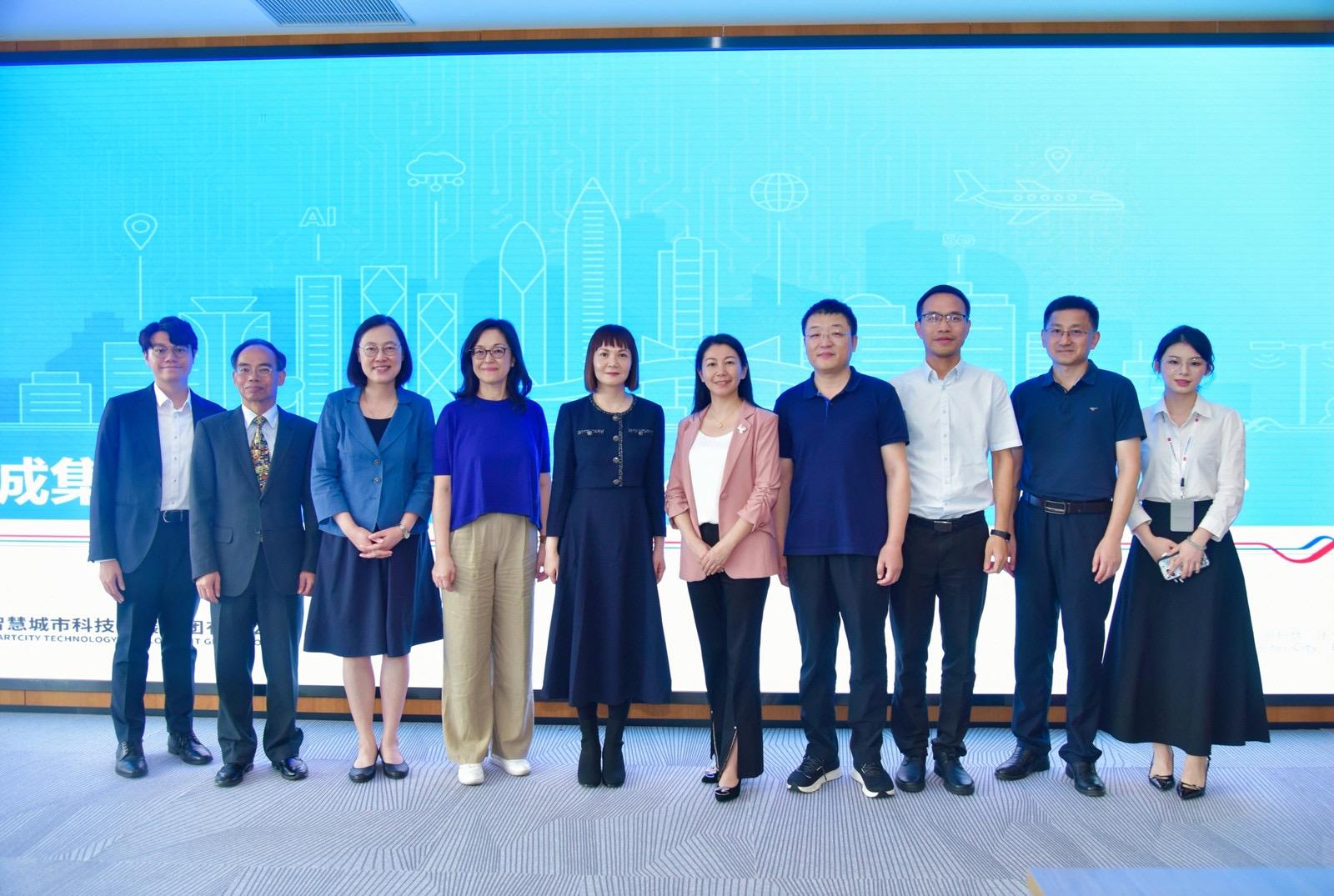

Among the first batch of low-altitude economy Regulatory Sandbox pilot projects, the SUTPC is involved in two of them. Dr Li Yue-huan, the Hong Kong and Macao representative, explained that one project involves using Radio Frequency Identification (RFID) technology to develop cross-boundary low-altitude logistics between Hong Kong and Shenzhen. As a participating institution, the SUTPC has planned to set up takeoff and landing points in the Hong Kong Park and the Shenzhen Park of the Hetao Shenzhen-Hong Kong Science and Technology Innovation Co-operation Zone, which will help promote the development of the Hetao area. As for the other project, the SUTPC will assume a leading role in developing the “MicroAirport”. Dr Li pointed out that cross-boundary flow of data, development of the Northern Metropolis and so forth have provided favourable conditions for the company to tap into Hong Kong’s low-altitude economy sector.
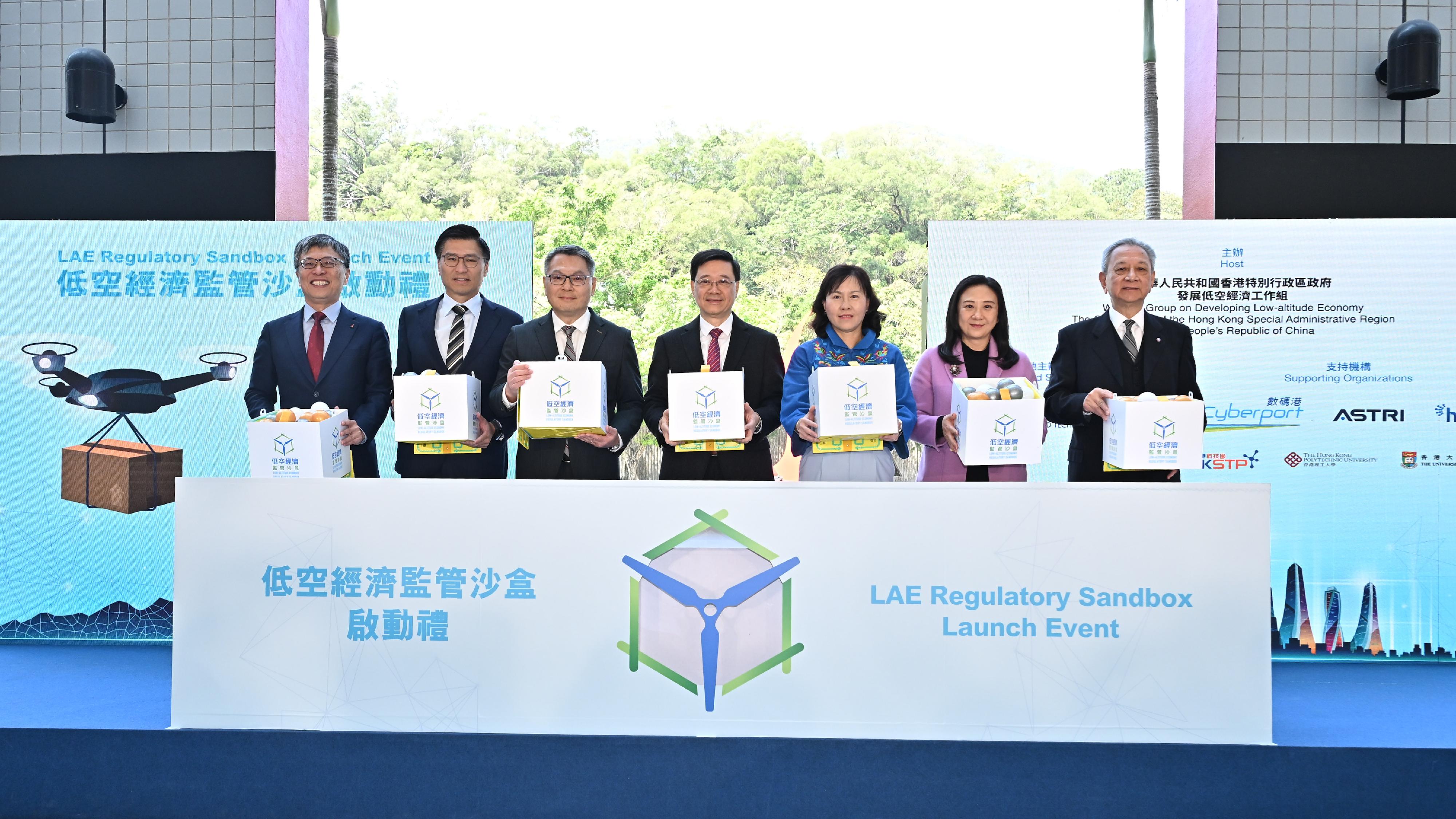
Generally speaking, low-altitude economy, which refers to economic activities in airspace below 1 000 metres, presents a wide array of application scenarios including rescues, surveys, and delivery of goods and passengers. Formulating a management system for low-altitude economy will help drive development in areas such as telecommunication technologies, artificial intelligence (AI) and the digital industry, unlocking the low-altitude airspace as a new production factor for the economy. After the Chief Executive announced the work directions for developing low-altitude economy in the 2024 Policy Address, the HKSAR Government established the Working Group on Developing Low-altitude Economy, which is headed by the Deputy Financial Secretary and responsible for formulating strategies and inter-departmental action plans on developing low-altitude economy.
The SUTPC is not only a “pioneer” in developing low-altitude economy in the Greater Bay Area, but also a high-tech enterprise actively participating in low-altitude economy development. In addition to seizing Shenzhen’s first-mover advantages in low-altitude economy, the SUTPC is now actively promoting Hong Kong’s development in this sector, contributing to the new quality productive forces and high-quality development of the Greater Bay Area. During the visit last October, the Office has learnt about SUTPC’s plan to establish its headquarters in Hong Kong. At the signing ceremony held by the HKSAR Government’s Office for Attracting Strategic Enterprises on 8 April, and under the witness of the Financial Secretary, Mr Paul Chan, the SUTPC officially announced the establishment of its international headquarters and innovation centre in Hong Kong. This is an important initiative for the SUTPC to deepen its global strategic presence.
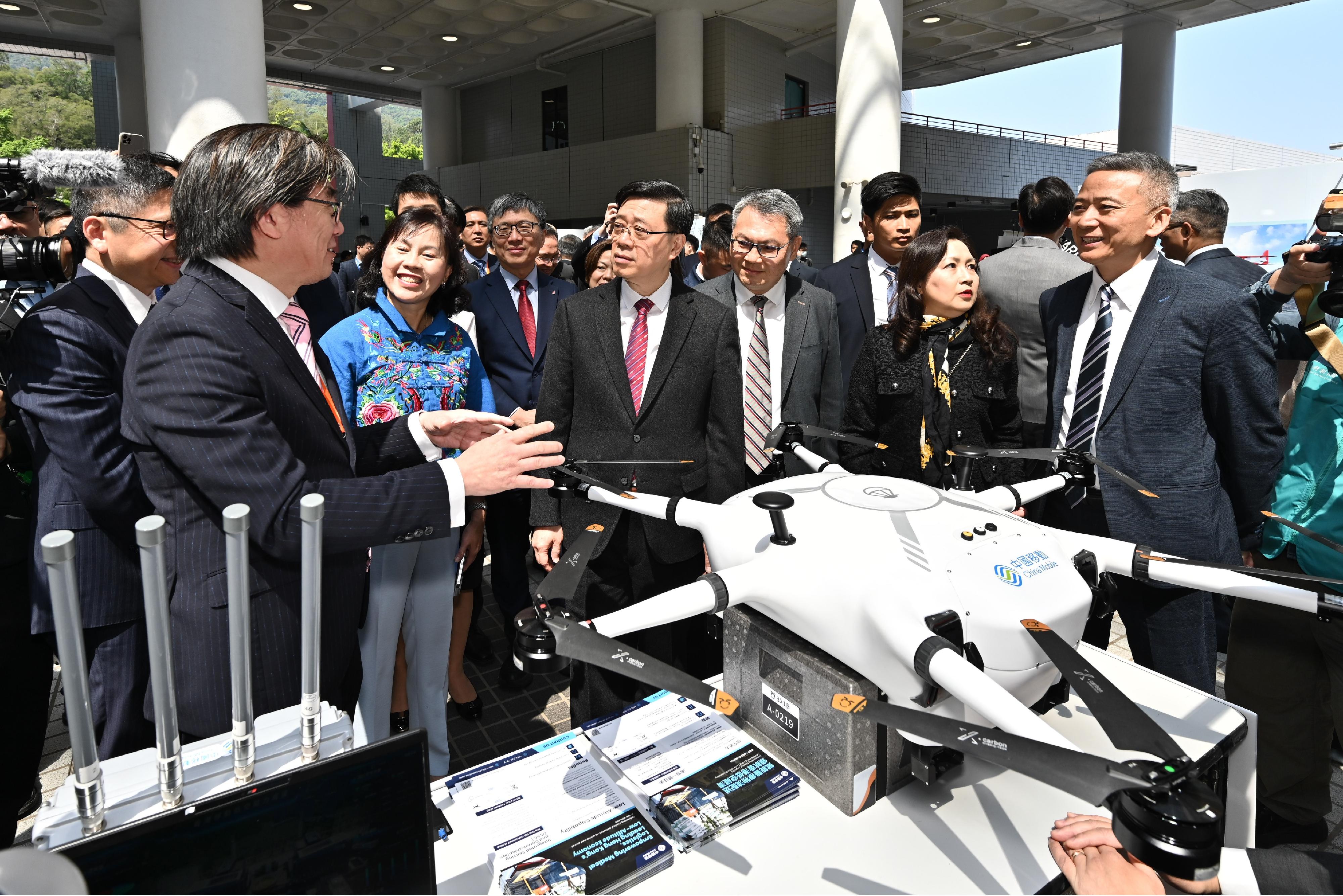
With enormous development potential, low-altitude economy can enhance urban management and business efficiency while bringing new smart living experiences to citizens. It has become a crucial engine for economic growth. Through collaboration in the low-altitude economy sector, Hong Kong and Shenzhen are striving to build an innovative, efficient and secure ecosystem, so as to jointly develop the Greater Bay Area into an international I&T centre.